
In the world of modern climate control, few names resonate as powerfully as Gree. From humble beginnings in Zhuhai, China, Gree Electric Appliances has evolved into the world’s largest specialized air conditioner manufacturer. Whether you are a homeowner looking for a split unit or a business owner seeking a complex VRF system, understanding the technology, efficiency, and reliability of Gree is essential.
This article explores the history, technological innovations, product lineups, and the reasons why Gree continues to dominate the global market.
1. The Rise of a Global Giant
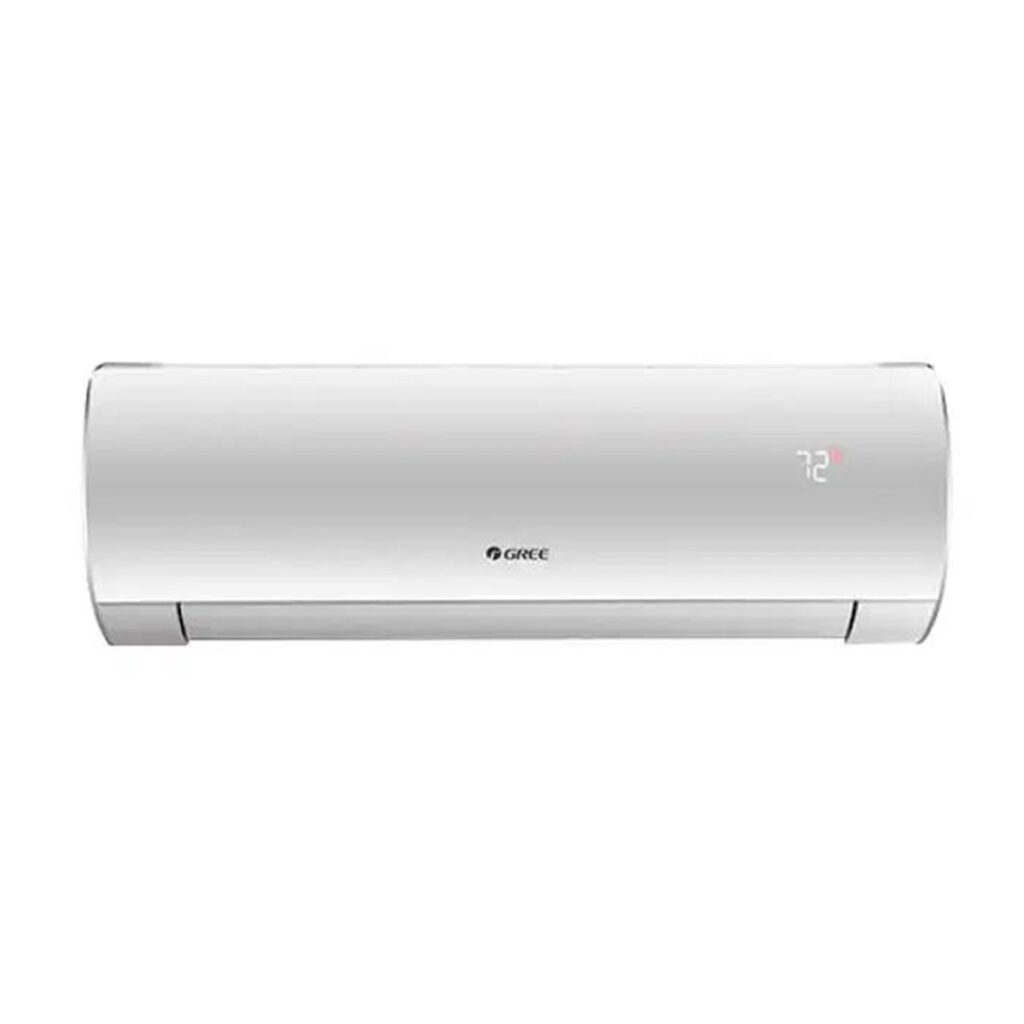
Founded in 1991, Gree didn’t just join the market; it redefined it. While many competitors diversified into various home appliances, Gree maintained a laser-like focus on air conditioning for decades. This specialization allowed them to invest heavily in Research and Development (R&D).
Today, Gree operates with a philosophy of “Independent Innovation.” They don’t just assemble parts; they manufacture their own compressors (Landa), motors, and electronics. This vertical integration ensures that every component is optimized for the specific unit it powers.
2. Core Technologies: What Sets Gree Apart?
Gree’s dominance is built on a foundation of patented technologies. Here are the pillars of their engineering success:
G10 Inverter Technology
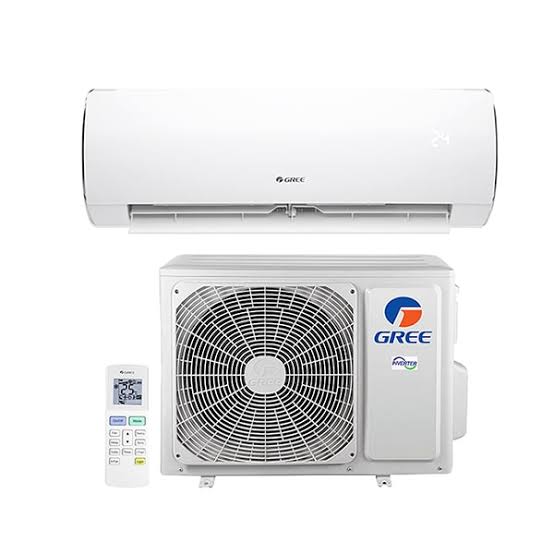
The “G10” is Gree’s signature inverter technology. Unlike traditional fixed-speed compressors that turn on and off (consuming massive amounts of energy), the G10 Inverter allows the compressor to vary its speed.
- Ultra-Low Frequency: It can operate at frequencies as low as 1Hz, meaning it can maintain a precise temperature while using the same amount of power as a lightbulb.
- Stability: It eliminates the temperature fluctuations common in older AC units.
Two-Stage Compression
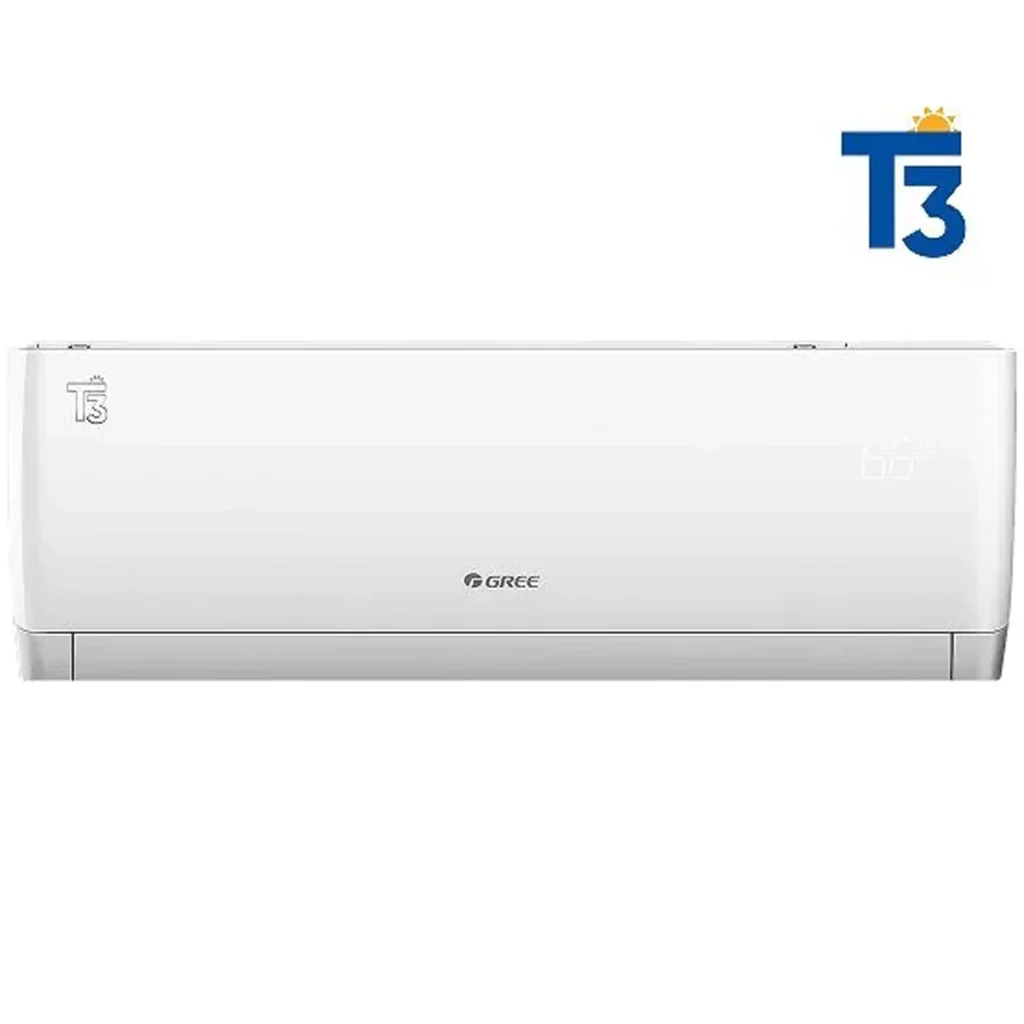
For regions with extreme climates (like the Middle East or South Asia), standard ACs often fail when temperatures cross 50°C. Gree’s Two-Stage Compressor technology allows the unit to perform cooling efficiently even in ambient temperatures of 54°C and heating in temperatures as low as -30°C.
I-Feel Function
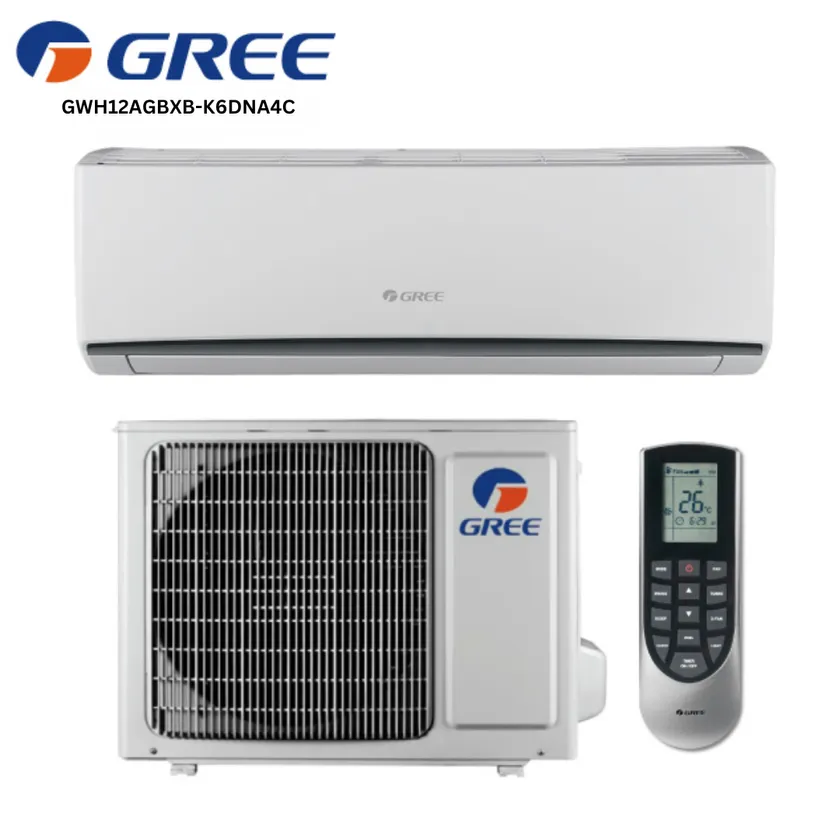
Most ACs sense the temperature at the indoor unit (usually high up on the wall). Gree units feature a sensor inside the remote control. When the “I-Feel” mode is activated, the AC adjusts the temperature based on where the remote is located, ensuring the person holding it is perfectly comfortable.
3. Product Categories: A Solution for Every Space
Gree’s catalog is vast, catering to residential, commercial, and industrial needs.
A. Residential Split Units
These are the flagship products for homes. Popular series include:
- Pular Series: Known for its sleek matte finish and built-in Wi-Fi. It’s the “workhorse” model for modern apartments.
- Fairy Series: Features a unique curved design and focuses on quiet operation.
- Soyal Series: An ultra-premium model equipped with an infrared human sensor that can direct air toward or away from people in the room.
B. Floor Standing Units
Often called “Cabinet ACs,” these are ideal for large living rooms or mosques. They provide high-volume airflow and add an aesthetic touch to the interior.
C. Multi-Variable Air Conditioning (VRF/GMV)
For large villas or office buildings, Gree’s GMV (Gree Multi-Variable) systems allow multiple indoor units to connect to a single outdoor unit. This is the pinnacle of energy efficiency for large-scale cooling.
4. Energy Efficiency and Environmental Impact
In an era of rising electricity costs and climate change, Gree has shifted toward “Green Cooling.”
Seasonal Energy Efficiency Ratio (SEER)
Gree units consistently boast high SEER ratings. By utilizing R32 Refrigerant, Gree has significantly reduced the Global Warming Potential (GWP) of its units compared to the older R410A or R22 gases. R32 is not only better for the ozone layer but also transfers heat more efficiently, requiring less energy to cool the same space.
Solar Hybrid ACs
Gree has pioneered the Photovoltaic (PV) VRF system. These units can be powered directly by solar panels. If the solar power is insufficient, the unit pulls from the grid; if there is excess solar power, it can actually feed energy back into the home’s electrical system.
5. User Experience: Smart Features and Comfort
Gree has embraced the “Internet of Things” (IoT) wholeheartedly.
- Smart Wi-Fi Control: Through the Gree+ App, users can turn on their AC while driving home from work, set sleep curves, and even diagnose technical faults from their smartphones.
- 7-Speed Fan Control: While most brands offer 3 speeds (Low, Med, High), Gree offers 7, allowing for much more granular control over noise levels and airflow.
- Cold Plasma Air Purification: This technology sterilizes 99% of bacteria, viruses, and mold, making it a favorite for families with allergies or respiratory issues.
6. Maintenance and Durability
One reason for Gree’s popularity in rugged markets is its build quality.
- Gold Fin/Blue Fin Coating: The heat exchangers (coils) are coated with an anti-corrosive layer. This is vital for coastal areas where salty air can rot aluminum fins within months.
- Self-Cleaning (X-Fan): When you turn off the AC, the indoor fan continues to run for a few minutes to dry out the evaporator coil, preventing the growth of mold and foul odors.
- Wide Voltage Range: Gree units are designed to withstand voltage fluctuations, a common problem in developing nations, reducing the risk of PCB burnout.
7. Analyzing the Pros and Cons
To provide a balanced view, let’s look at why you might—or might not—choose Gree.
The Pros:
- Value for Money: Gree offers premium features (Inverter tech, Wi-Fi, 4-way swing) at a price point significantly lower than Japanese brands like Daikin or Mitsubishi.
- Spare Parts Availability: Because Gree is so widely distributed, finding a technician or a spare part is rarely a challenge.
- Heating Performance: Their inverter heat pumps are among the best in the world for winter use.
The Cons:
- Brand Perception: In some luxury markets, people still prefer “Japanese Heritage” brands over Chinese brands, regardless of performance.
- Bulkier Outdoor Units: To achieve high efficiency, Gree often uses larger condenser coils, which results in outdoor units that are heavier and larger than some competitors.
8. How to Choose the Right Gree AC for Your Room
Selecting the right capacity is crucial for efficiency. Using a unit that is too small will cause it to run at maximum speed constantly, increasing your bill.
- 12,000 BTU (1 Ton): Ideal for rooms up to 150 sq. ft.
- 18,000 BTU (1.5 Ton): Ideal for rooms between 150 to 250 sq. ft.
- 24,000 BTU (2 Ton): Ideal for large halls or rooms with high ceilings up to 400 sq. ft.
9. The Future: AI and Beyond
Gree is currently integrating Artificial Intelligence (AI) into its G-Boost systems. Future units will “learn” your habits—what time you come home, what temperature you prefer when it’s raining versus when it’s dry—and adjust themselves automatically to save up to an additional 15% in energy.
10. Conclusion: Is Gree Worth It?
If you are looking for a blend of innovation, durability, and affordability, Gree is arguably the best contender in the global market today. They have successfully shed the “budget brand” image by out-pacing competitors in patent filings and cooling technology.
Investing in a Gree Inverter AC isn’t just about buying a machine; it’s about investing in a piece of engineering that promises to keep your environment comfortable while keeping your electricity bills manageable. As they say in their famous slogan: “Gree, Making a Better Climate.”
Summary Table: Gree Series Comparison
| خصوصیات (Features) | Pular Series (Value) | Fairy Series (Design) | Soyal Series (Premium) |
|---|---|---|---|
| انورٹر ٹیکنالوجی | جی ہاں (G10) | جی ہاں (G10) | جی ہاں (G10) |
| وائی فائی (Wi-Fi) | بلٹ ان (Built-in) | اختیاری (Optional) | بلٹ ان (Built-in) |
| ہوا کا بہاؤ (Airflow) | 3D Airflow | 3D Airflow | AI Human Sensor |
| گیس (Refrigerant) | R32 | R32 / R410A | R32 |
| بہترین استعمال | بیڈ روم اور دفاتر | جدید انٹیریئر ڈیزائن | لگژری لونگ رومز |
This article provides a comprehensive overview of Gree’s market position as of 2024-2026. Always check local specifications as models and features can vary by region.